REVIEW · TAKAYAMA
Takayama Local Cuisine, Food & Sake Cultural Tour with Government-Licensed Guide
Book on Viator →Operated by Japan Guide Agency · Bookable on Viator
Sake, markets, and Edo-era buildings in one walk. This Takayama food-and-sake tour pairs a government-licensed guide with stops that connect what you taste to why the town looks and eats the way it does—especially at the morning markets and traditional breweries. I like that it’s not just sampling food; it’s also learning how Takayama’s daily rhythm shaped the shops you’ll visit.
One watch-out: it’s a walking tour, and while several sites are free to enter, some entrance tickets and tasting add-ons can affect your final spend. Plan for comfortable shoes and a little extra cash for things you’ll want to buy or taste.
In This Review
- Key highlights
- A Takayama Food and Sake Tour That Feels Like Morning Routine
- Your Licensed Guide Does More Than Translate
- Price and Value for a 6-Hour Private Walk
- Takayama Jinya: Edo-Era Government Headquarters You Can Still Visit
- Asa-ichi and Morning Market Energy: Eat Before You Shop
- Jinya-Mae Morning Market
- Hida-Takayama Miyagawa Morning Market
- Sanmachi Suji: Old Town Streets Built for Walking (and People Watching)
- Onoya Brewery: Miso and Soy the Traditional Way
- Harada Sake Brewery: Sansha Dry Sake and Sake-Made Snacks
- Kawashiri Sake Brewery: Matured Sake and a Small Tasting Charge
- Logistics That Matter: Walking Pace, Pickup On Foot, and Time Windows
- How to Choose Your Best 3–4 Stops
- Who This Tour Fits Best
- Should You Book This Takayama Food and Sake Cultural Tour?
- FAQ
- How long is the Takayama Local Cuisine, Food & Sake Cultural Tour?
- What does the tour include?
- Is pickup included?
- Are entrance tickets included?
- Is lunch included?
- Are sake tastings included?
- Can I customize the stops I visit?
- Is transportation included?
- What is the cancellation policy?
- Is the tour suitable for most travelers?
Key highlights
- Government-licensed guide with Japan-cultural expertise so the stories match the places, not a script.
- Choose 3–4 stops from a set list, letting you steer toward markets, sake, or old-town streets.
- Two morning markets with real history: Asa-ichi by the river-adjacent area and the longer-running Miyagawa Morning Market.
- Edo-era Takayama scenes at Takayama Jinya and Sanmachi Suji’s preserved old town streets.
- Brewery time for miso, soy, and sake at long-running makers like Onoya, Harada, and Kawashiri.
- Private feel, on-foot meet-up with pickup offered on foot within a designated area.
A Takayama Food and Sake Tour That Feels Like Morning Routine
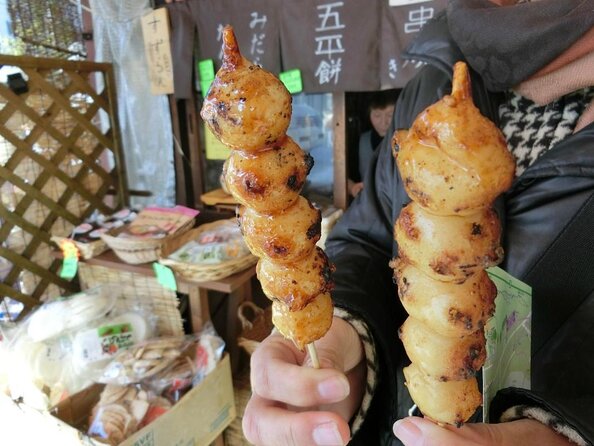
Takayama is one of those Japanese towns where everyday life still seems to orbit around old shopfronts. This tour leans into that. Instead of a checklist of photos, you walk through market streets and traditional business lanes, guided by someone who can explain what you’re seeing as you go.
What makes it work is the mix. You get the food side—morning produce, local crafts, and sake. Then you get the why side: Edo-period government presence, preserved old-town architecture, and the way local ingredients became local specialties. It’s a smart combo for first-timers who want culture without getting stuck in museum mode.
You can also read our reviews of more tours and experiences in Takayama.

Your Licensed Guide Does More Than Translate
The guide is a National Government Licensed Guide Interpreter (English-speaking). That matters, because you’re not just getting language support. You’re getting someone trained to understand Japanese culture and history well enough to explain them clearly.
A couple guide names keep showing up in successful tours. Mitsu’s groups praise the welcoming vibe and the way she shared Takayama history in a friendly way, including how locals treated the group. Yoko’s tours are noted for good English and tailoring the day around the interests of the group—food plus arts-and-crafts energy, not just snacks. Another big theme: guides adjust if your pace or priorities shift mid-walk. That flexibility is rare on strict, timed food tours.
Price and Value for a 6-Hour Private Walk
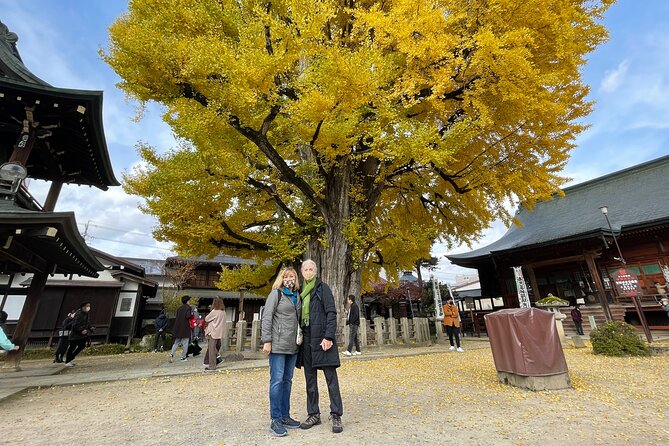
At $154.37 per person for about 6 hours, you’re paying primarily for the licensed guide and a guided, customized walking route. You’re also paying for access to multiple “local life” spots in one go—things you could DIY, but it’s faster and clearer when someone points out what matters.
A few cost caveats to keep it honest:
- Entrance fees are not included. For example, the Takayama Jinya stop notes that the admission ticket is not included.
- Lunch isn’t included. You’ll likely snack and taste along the way, but you should still plan for a meal out (or pack a plan with nearby options).
- Some tastings cost extra. At Kawashiri, the tasting is listed as available for an additional charge.
So if you’re budgeting, think: guide + walking plan is included; your personal spending (tickets, lunch, and optional tasting) is on you. In return, you get a day that feels organized, not stressful—and you can choose your “must-see” focus from the available stops.
Takayama Jinya: Edo-Era Government Headquarters You Can Still Visit
Your first major stop is Takayama Jin’ya, a surviving Edo period jin’ya—a government headquarters. It served Hida Province under the Tokugawa shogunate from 1692 to 1871, and the key value here is the physical continuity. You’re not just hearing about the era. You’re standing in a place that still carries the layout and presence of that role.
Why I think this stop matters in a food tour:
- It puts Takayama’s “local life” into context. Markets and merchants didn’t pop out of nowhere. They grew alongside the administrative and economic rhythms of the region.
- It helps you understand why traditional streets and shop culture still feel central to the town today.
Potential drawback: since the admission ticket isn’t included, check your mental budget before you arrive. Also, it’s only a short stop (about 30 minutes), so come ready to soak in the basics rather than treat it like a long museum detour.
Asa-ichi and Morning Market Energy: Eat Before You Shop
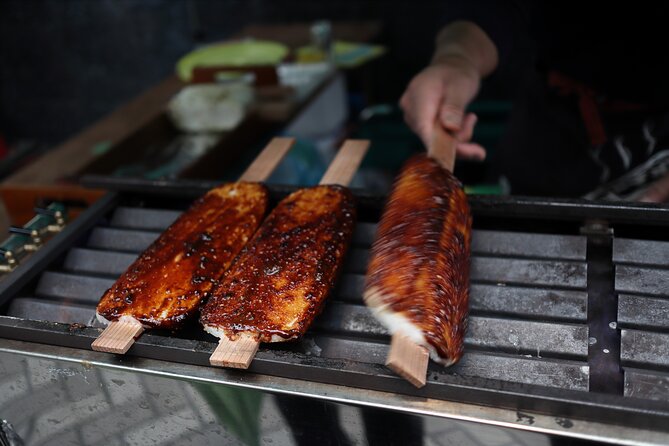
From the government buildings, you shift straight into a classic Takayama tradition: the Asa-ichi morning market.
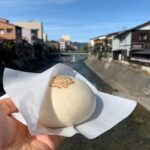
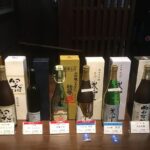
Jinya-Mae Morning Market
This is described as the small morning market behind the Asa-ichi name, with fresh produce and local crafts. It’s a great way to start because you’re already awake in that “morning shopping” mindset. Even if you’re not buying much, you’ll get a feel for what locals prioritize: seasonal items, everyday goods, and practical crafts.
The stop is about 30 minutes and admission is free. That makes it easy to sample the vibe without needing a big time commitment.
Hida-Takayama Miyagawa Morning Market
Then it’s off to the Miyagawa Morning Market. This one has existed in some form for more than two centuries, and it’s still a hub for fresh produce. The location detail is part of the charm: it runs along either bank of the Miya River, between two bridges.
If you like walking while looking at food, this is your moment. You’ll see vendors set up, shoppers moving at a calm pace, and plenty of items that make sense for Takayama’s seasons and cooking style.
Practical consideration: morning markets are popular for a reason, but they can also mean more walking and more people. Wear shoes with grip. Bring a tote bag if you plan to buy snacks, crackers, or small gifts.
Sanmachi Suji: Old Town Streets Built for Walking (and People Watching)
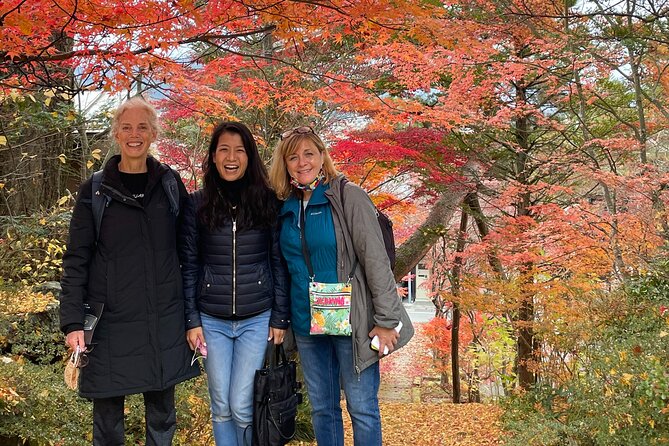
Next comes the heart of Takayama’s preserved streets: Sanmachi Suji. This old town area features preserved and restored buildings and connects directly to the Edo period when Takayama functioned as a hub for craftsmen, merchants, and farmers.
What you get here is not tasting. You get atmosphere with a purpose:
- You understand how a town’s physical layout shapes daily commerce.
- You see shopfronts and street scale that make the markets feel logical, not random.
The stop is about 30 minutes, and admission is free. If the weather turns (cool morning to warmer midday, or a light rain risk), that short time window is actually helpful.
Onoya Brewery: Miso and Soy the Traditional Way
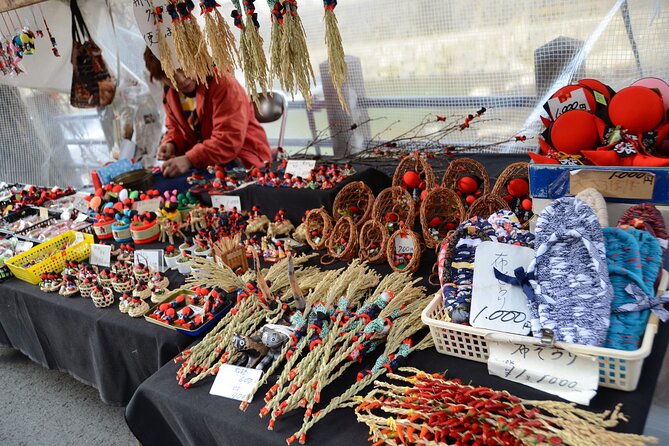
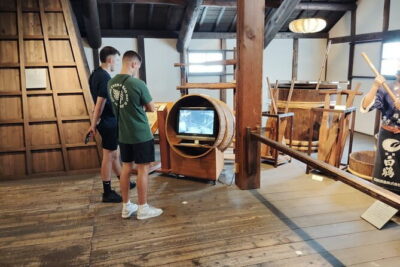
Now the tour shifts from streets to food production culture with Onoya Brewery. Ohno ya is a traditional miso and soy source brewery and shop founded 250 years ago in Takayama.
This stop is valuable because it turns your tasting into understanding. Miso and soy aren’t side characters here. They’re core to the region’s flavors, and seeing how a long-running maker fits into daily shop culture helps you connect ingredient to history.
Admission is listed as free, and the stop is short (about 15 minutes). That means you’ll get the essentials and a chance to look—rather than a deep factory-style tour. If you’re the type who wants hands-on production details, you might still enjoy it, but keep expectations realistic for the time.
Harada Sake Brewery: Sansha Dry Sake and Sake-Made Snacks
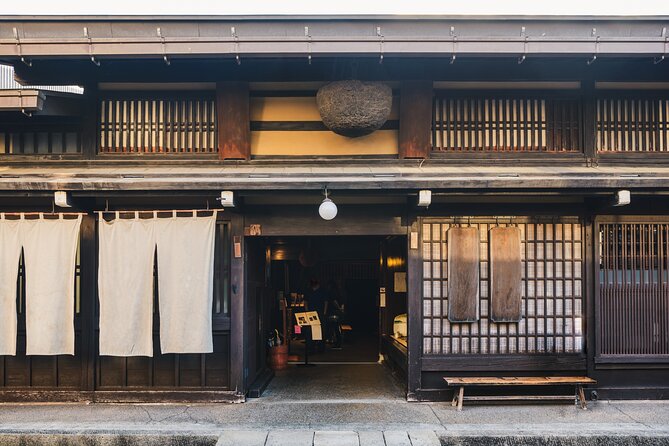
Then the sake stops begin, starting with Harada Sake Brewery and its signature brand Sansha. The description highlights a dry sake with strong umami character, which is a good heads-up: don’t expect sweet. Think clean, savory, and food-friendly.
Here’s what you can expect:
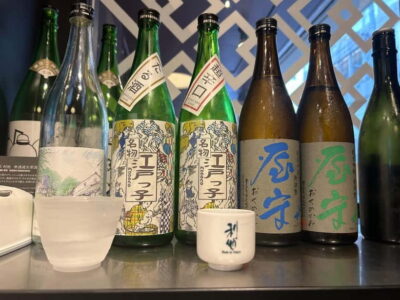
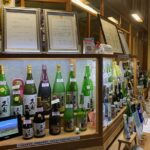
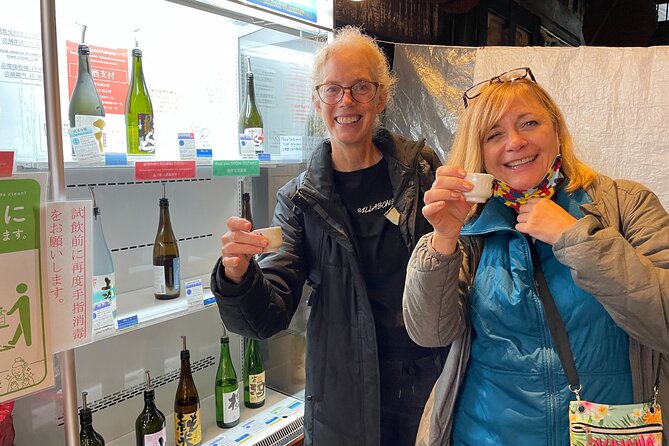
- You can buy a small tasting cup and sample more than ten types of sake.
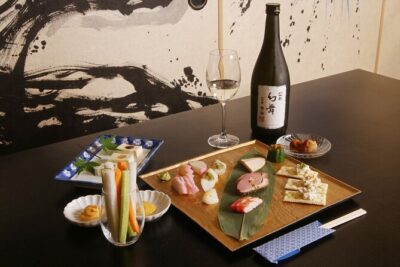
- There are also snacks like steamed manju and cakes made with sake.
Admission is free, and the stop is about 30 minutes. Even with that time, you’ll likely be choosing a few tastings rather than trying everything. If you want the best experience, choose the sakes that match your taste direction—dry and savory versus lighter styles—so you don’t end up tastings-blind.
One practical tip: if you’re driving later or hopping trains soon, keep your sipping moderate. This is a culture tasting, but you’re still walking a lot.
Kawashiri Sake Brewery: Matured Sake and a Small Tasting Charge
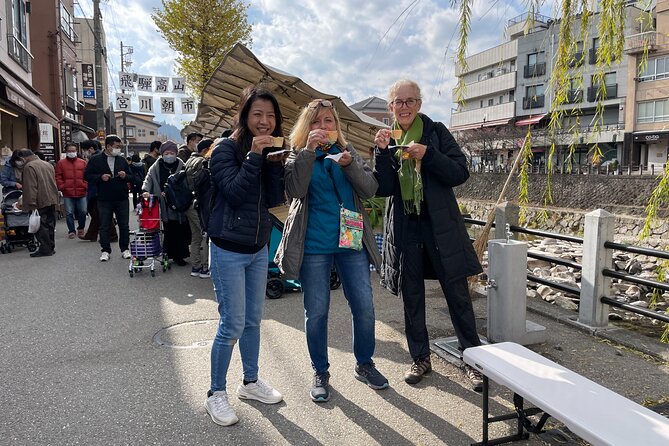
The final sake stop is Kawashiri Sake Brewery, which focuses on artisanal matured sake. Matured sake often leans into deeper flavors and texture, so this is a nice contrast after a broader tasting at Harada.
The format here is a simple tasting trio for a small charge, including Hidamasamune. The tour notes tasting is available for an additional charge, which is exactly how it should be—optional, and you can decide based on your alcohol comfort and budget.
Admission is free and the stop is about 30 minutes. If you like comparing styles, this is where you’ll feel the “okay, now I get it” moment: different breweries, different timeframes, different flavor directions.
Logistics That Matter: Walking Pace, Pickup On Foot, and Time Windows
This is a walking tour. Pickup is offered, but it’s on foot within a designated area. Translation: you’ll likely meet near where you already are, not get whisked in a taxi or van.
A few smart moves:
- Plan for cobblestones or uneven sidewalk sections typical of old town walking.
- Bring water. Morning markets can turn into a long walking loop fast.
- If you’re sensitive to early mornings, pick your “must-see” stops carefully so you don’t overspend time on parts that don’t interest you.
Also note the tour is private for your group, even though there can be group discounts. In practice, that usually means you get a more personal pace than a large public group.
How to Choose Your Best 3–4 Stops
You can customize by selecting your must-see spots from the options list. That’s a big deal because it prevents the usual “food tour fatigue” where you’re stuck doing everything.
Here are solid ways to choose:
- If you’re mostly here for sake: prioritize Harada and Kawashiri, and consider either the miso/soy stop or one market.
- If you’re mostly here to understand Takayama’s food culture: keep both morning markets and add Sanmachi Suji.
- If you want a culture-first day: include Takayama Jin’ya and one or two food makers, then do lunch after.
Because the day is about 6 hours, picking wisely helps you taste more calmly and enjoy the streets instead of rushing.
Who This Tour Fits Best
This is a great match if you want:
- A licensed guide with cultural and historical context
- A mix of markets + old town + breweries
- A flexible day that can adjust to your interests
It also works well for couples, small families, and anyone who appreciates guided walking over “follow the leader” bus tours.
If you’re the type who hates alcohol tastings, you can still enjoy the markets and old town parts, but you’ll want to keep an eye on which tasting charges apply at the breweries. Also, lunch isn’t included, so plan food breaks thoughtfully.
Should You Book This Takayama Food and Sake Cultural Tour?
Book it if you want Takayama through its working rhythms—markets in the morning, traditional streets in daylight, and sake makers that have been doing the same kind of craft for generations. The government-licensed guide angle is especially worth it when you care about context, not just consumption.
Skip or reconsider if:
- You dislike walking or you’re unsteady on your feet.
- Your budget can’t stretch to optional tasting charges and a paid entrance ticket.
- You want a food-tour experience where your main focus is restaurant meals only. This is more market-and-brewery than sit-down dinner.
If you’re doing Takayama as a stop with limited time, this is a smart way to pack in the flavors and the reasons behind them—without turning your day into a frantic scavenger hunt.
FAQ
How long is the Takayama Local Cuisine, Food & Sake Cultural Tour?
The tour lasts about 6 hours.
What does the tour include?
It includes a licensed local English-speaking guide, a customizable walking tour with your choice of 3–4 sites, and meeting up with the guide within a designated area on foot.
Is pickup included?
Pickup is offered, but the tour is still a walking tour, with pickup on foot within the designated area.
Are entrance tickets included?
No. Entrance fees are not included. For example, the Takayama Jinya stop notes that admission ticket is not included.
Is lunch included?
No. Lunch is not included.
Are sake tastings included?
Some tastings are included through the brewery experience, but specific tastings can be available for an additional charge. For example, tasting at Kawashiri is listed as available for an additional charge.
Can I customize the stops I visit?
Yes. You select your must-see spots from a list to create a customized itinerary (3–4 sites).
Is transportation included?
No. Transportation fees are not included.
What is the cancellation policy?
Free cancellation is available if you cancel at least 24 hours in advance for a full refund.
Is the tour suitable for most travelers?
Most travelers can participate. Service animals are allowed, and the meeting area is near public transportation.