REVIEW · DUSSELDORF
Düsseldorf: Sushi, Sake & Japanese Lifestyle Tour
Book on GetYourGuide →Operated by Visit Düsseldorf · Bookable on GetYourGuide
You can learn a lot in just two hours. This guided walk through Düsseldorf’s Little Tokyo on Immermannstraße pairs sushi, sake, and Japanese lifestyle shops with manga culture, so you get more than food stops. One watch-out: the tour runs in German and the tastings are vegetarian-friendly but not vegan or gluten-free.
I like the pace and the focus on everyday culture: Japanese bakeries and bookshops, plus the sights that make the neighborhood feel like a micro-version of Japan. With a small group capped at 10, it’s easier to ask questions—especially about what to order and what to look for in the stores you pass.
In This Review
- Key Highlights You’ll Actually Feel on This Tour
- Little Tokyo in Düsseldorf: Why This Walk Feels Unusual
- Starting on Immermannstraße: Meeting Point and 2-Hour Rhythm
- The Food Part: 4 Samples of Sushi, Sake, and Matcha-Style Bites
- Dietary notes (important)
- What you might expect to taste
- Japanese Bookshops, Bakeries, and Everyday Shopping Stops
- Manga Culture: Why Comics Fit the Neighborhood Story
- Learning the Neighborhood: History, Insider Tips, and What Might Be Missed
- Value and Price: Is $41 Worth It for Sushi, Sake, and Local Tips?
- Who Should Book This Tour (and Who Should Skip It)
- Should You Book This Sushi, Sake & Japanese Lifestyle Tour?
- FAQ
- How long is the Düsseldorf Sushi, Sake & Japanese Lifestyle Tour?
- What language is the tour guide?
- How many people are in a group?
- What’s included in the price?
- Are the food samples vegetarian or vegan?
- Are the food samples gluten-free?
- Where is the meeting point?
Key Highlights You’ll Actually Feel on This Tour
- Little Tokyo is concentrated around Immermannstraße, so you see a lot in a short walk.
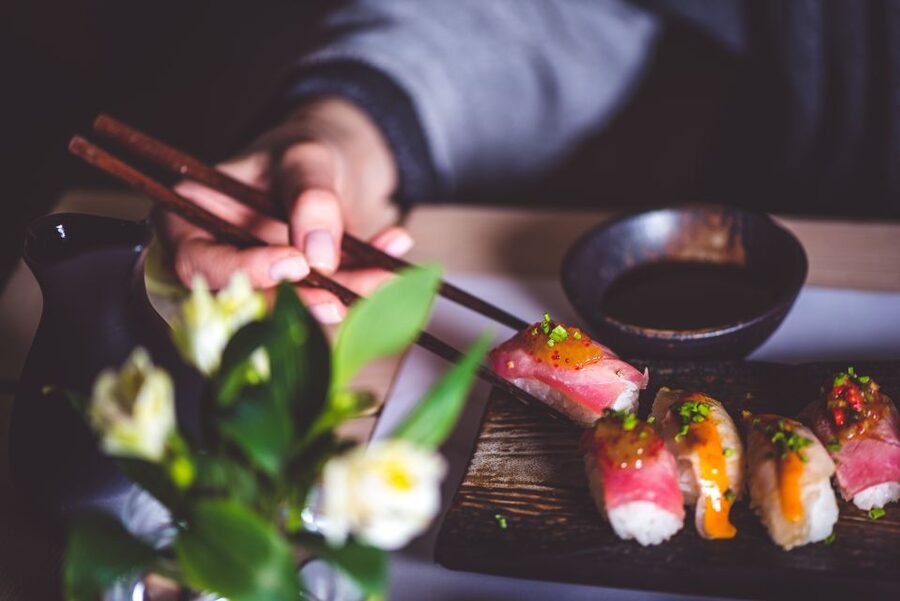
- 4 food samples are part of the experience, tied directly to Japanese cuisine (including sushi/sake themes).
- Japanese bookshops, bakeries, and manga stores show the culture beyond restaurants.
- Small group (max 10) makes it practical to interact with the guide during stops.
- German-language guide, with guide personalities like Julia or Patrizia reported as friendly and humorous.
- Unique souvenir plus a city museum voucher give extra value beyond the walk.
Little Tokyo in Düsseldorf: Why This Walk Feels Unusual
Düsseldorf doesn’t play at being Japanese for a day. The whole point here is that Japanese everyday life is tightly clustered around Immermannstraße, with plenty of spots for browsing, eating, and learning how people actually live their routine. That concentration is what makes this kind of tour work. Instead of hopping across the city, you’re walking through a neighborhood that already has the atmosphere you came for.
I also like that the tour frames Little Tokyo as a “why” story, not just a “what’s here” list. You’re guided through the reasons the community shops and eats here, how the neighborhood grew into a familiar hub, and which types of places locals tend to trust. Even if you’re only in Düsseldorf briefly, you’ll leave with a mental map—where to go for Japanese books, where to look for matcha-style treats, and what kinds of stores deserve a second look.
One more thing: this tour doesn’t treat Japan as only one stereotype. You’re walking past regular street-level businesses—bakeries and bookshops—while also getting manga culture explained in a way that connects with daily life.
Starting on Immermannstraße: Meeting Point and 2-Hour Rhythm
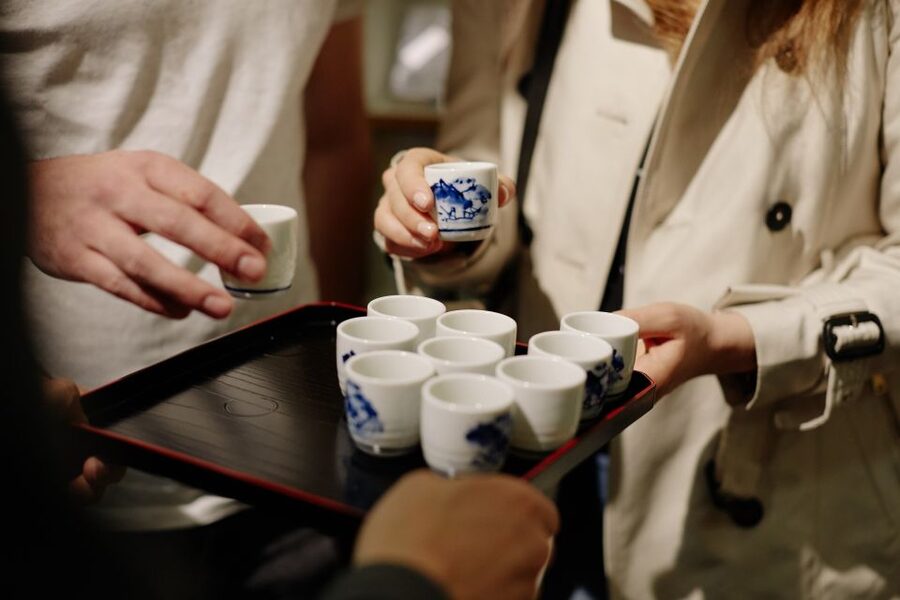
You meet in front of Clayton Hotel Düsseldorf, which used to be Hotel Nikko Düsseldorf, at Immermannstraße 41. That matters because it drops you right where the action is: you’re not traveling to Little Tokyo first—you’re starting in it.
The time window is 2 hours, and the group stays small (up to 10 people). For you, that means you can actually keep up. Japanese shopping details, food explanations, and manga references are easier to follow when you’re not sprinting from stop to stop.
The guide is live and speaks German, so you’ll get the most from the experience if you’re comfortable with German (or at least used to shopping and food words). If you aren’t, you might still enjoy the sights and tastings, but the cultural context will be thinner.
As for the tour’s overall feel, the best version of this experience is when the guide keeps things conversational. In guides like Julia (reported as having humor and a lot of know-how) you get both practical answers and a lighter mood. In other cases, it can feel more like a food-and-stores route. That’s not a deal-breaker, but it’s good to know what you’re signing up for.
The Food Part: 4 Samples of Sushi, Sake, and Matcha-Style Bites
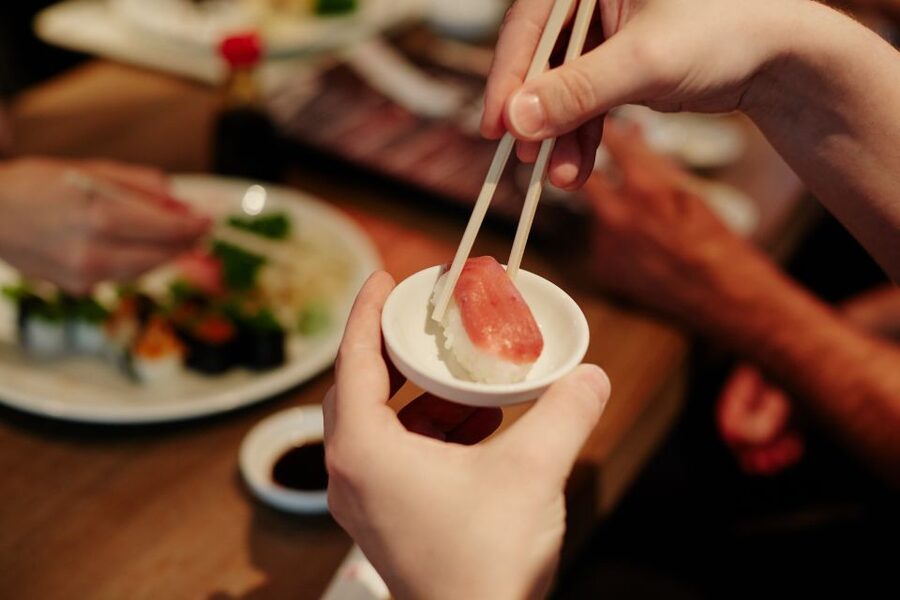
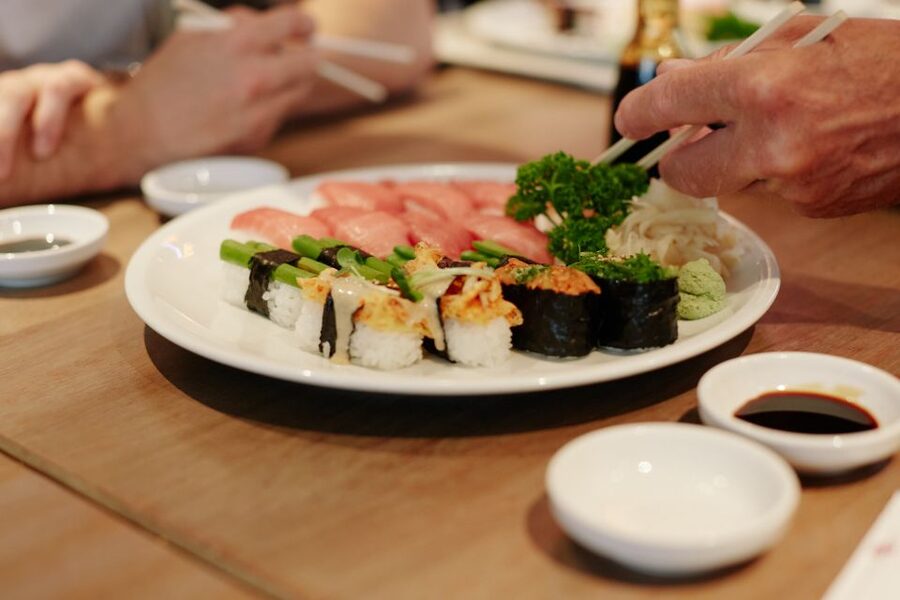
Food is the backbone of this tour, and it’s built into the walk rather than being tacked on at the end. You get 4 food samples, and the tastings are tied to Japanese cuisine themes such as sushi and sake, plus Japanese favorites you can recognize once you see them in shops.
For me, the strongest practical value here is that the samples are paired with guidance—what you’re eating and why it matters. That turns your next restaurant order into something smarter. Instead of guessing, you can say, “I saw this flavor direction on the tour,” and you’ll have a shortcut into the menu.
Dietary notes (important)
- The samples are suitable for vegetarians, but not for vegans.
- The samples are not gluten-free.
So if you’re vegan, or you need gluten-free options for health reasons, this tour likely won’t fit. It’s better to look for a different experience where substitutions are guaranteed.
What you might expect to taste
The tour is explicitly sushi and sake focused, and it also points you toward Japanese snack culture and matcha-style treats. One commonly reported sample is a matcha brownie, and the value of that isn’t just the sweetness—it’s the chance to ask what matcha tastes like in real-world Japanese café culture, not just as an abstract drink.
Japanese Bookshops, Bakeries, and Everyday Shopping Stops
This is where the tour shifts from “food tour” to “lifestyle tour.” You visit traditional Japanese bookshops and bakeries, which changes how you experience the neighborhood. Eating only tells one story. Browsing shows how people spend time, what they read, and what kinds of treats feel normal enough to buy on a weekday.
I like that this part of the route gives you visual cues you can use later. You’ll see how Japanese stores are organized, what kinds of book sections pop up, and how bakery counters often work as quick stops rather than formal dining.
Practical tip: when you reach these shops, don’t just look for souvenirs. Look for cues about language and packaging. Even basic pattern recognition helps you shop independently after the tour.
One more thing: the neighborhood isn’t only about cafés. The tour description frames it as Japanese everyday life with insider tips, and that suggests you’ll hear about where to go for items that feel small but matter—things you won’t think to ask about unless someone local points it out.
Manga Culture: Why Comics Fit the Neighborhood Story
Manga isn’t treated like a side quest. It’s part of the cultural explanation. The tour takes you into the world of Japanese comic books, and that’s a smart choice because manga is one of the fastest ways to understand modern Japanese pop culture without needing special background knowledge.
If you care about comics, this is a direct hit. If you don’t, it still helps because manga stores are also community spaces. You can learn what titles show up, how people browse, and what kind of shelf culture exists beyond language barriers.
Even better, the guide’s storytelling style affects this section. Guides with strong personality—like Julia, described as bringing humor along with knowledge—tend to make manga references easier to understand. If the guide keeps the story focused on lifestyle, you’ll walk away with ideas for what to look for in store shelves back at home too.
Learning the Neighborhood: History, Insider Tips, and What Might Be Missed
The tour aims to connect the present-day neighborhood to its background story. You can expect insights about the history of Little Tokyo and insider tips that locals actually use—especially around food and where to shop.
That said, it helps to manage expectations. The experience can lean heavily toward food and manga. Some topics you might hope to hear—everyday services like Japanese hairdressers, tailoring, or laundries—may not get much time. If those details are the reason you chose the tour, ask your guide early what’s covered. You want to confirm you’ll get what you’re most curious about, rather than being surprised later.
There’s also an example of the kind of omission that matters: some guides may not mention that you can participate in Japanese tea ceremony experiences on Immermannstraße. If tea rituals are on your Japan bucket list, make sure you ask about it during the walk. It’s the difference between leaving with a great photo set and leaving with a concrete plan for the next step.
Lastly, there’s a lesson in listening critically. One person reported that a very specific price claim about eating at Nagya didn’t match what they knew from experience. That doesn’t mean every detail is wrong, but it’s a good reminder: if you hear a dramatic fact like a huge fixed price, it’s okay to double-check with your own reading or ask follow-up questions.
Value and Price: Is $41 Worth It for Sushi, Sake, and Local Tips?
At $41 per person for 2 hours, this tour is priced like a compact food-and-culture experience. Whether it’s a good value for you depends on what you want from Düsseldorf.
Here’s what you’re getting for the money:
- A tour guide (live, German)
- 4 food samples
- A unique souvenir available only on this tour
- A voucher for the sushi tour that’s also valid for a visit to the city museum
That last item is sneaky useful. If you were already planning to go to the museum, the voucher effectively chips away at the tour cost. If you weren’t planning it, it still gives you a reason to fit a museum visit into your schedule with less decision fatigue.
The group size also affects value. With a maximum of 10 people, you’re more likely to get personal answers rather than sitting through a scripted talk with zero interaction. In a tour that includes tastings and shop stops, interaction is a real quality factor.
Based on the overall rating score shown for the experience—4.6—the format seems to land well for many people, especially when the guide’s energy and info depth match your expectations. The main reason to pause isn’t price. It’s language and dietary limitations.
Who Should Book This Tour (and Who Should Skip It)
This is a great match if you want:
- a short, high-output introduction to Düsseldorf’s Little Tokyo around Immermannstraße
- sushi and sake tastings with explanation
- manga and Japanese pop-culture context
- practical “where do I go next?” tips for shops and cafés
It’s a weaker match if you:
- need gluten-free food options (the samples aren’t gluten-free)
- need vegan options (the samples are suitable for vegetarians but not vegans)
- need wheelchair access (it’s not suitable for wheelchair users)
- can’t follow German well (the tour is German-language)
If you’re a German speaker or someone comfortable reading German menus and shop signs, you’ll likely enjoy the cultural side as much as the food. If you’re traveling with dietary restrictions, you’ll have to weigh the disappointment risk.
Should You Book This Sushi, Sake & Japanese Lifestyle Tour?
Yes—with a couple of smart checks.
Book it if you want a fast way to understand why the Little Tokyo area works, and you’re excited about combining food (sushi/sake) with bookshops, bakeries, and manga culture. The souvenir and the museum voucher add real value for the time you spend.
Pause before booking if German-language tours are hard for you, or if you need vegan or gluten-free eating. For those needs, you’d likely feel constrained by the sample limits.
If tea ceremony experiences are a must for you, plan to ask about tea while you’re in the neighborhood, since not every guide may mention it. And if you care about more than food and comics—like everyday services and practical Japanese errands—ask early what topics will get covered so you don’t end up wanting more.
FAQ
How long is the Düsseldorf Sushi, Sake & Japanese Lifestyle Tour?
The tour lasts 2 hours.
What language is the tour guide?
The live tour guide speaks German.
How many people are in a group?
The group is limited to a maximum of 10 participants.
What’s included in the price?
The tour includes a tour guide, 4 food samples, a unique souvenir available only on this tour, and a voucher for the sushi tour that is also valid for a visit to the city museum.
Are the food samples vegetarian or vegan?
The samples are suitable for vegetarians, but they are not suitable for vegans.
Are the food samples gluten-free?
No, the samples are not gluten-free.
Where is the meeting point?
Meet in front of Clayton Hotel Düsseldorf (formerly Hotel Nikko Düsseldorf) at Immermannstraße 41.